
301 redirects for a relaunch: change URLs without SEO loss
Zurück
A 301 redirect is the right answer when a URL moves permanently. W3C's Cool URIs don't change is the right default mindset; if a URL has to move, Google treats permanent redirects as the signal that the new destination should become canonical. That makes 301s practical for relaunches, domain moves, and content cleanup, not just an SEO trick.
For teams, this is mostly operational discipline. Old links from campaigns, bookmarks, backlinks, and internal navigation still need to resolve to something sensible. Without a plan, a relaunch turns into support tickets, messy rules, and lost context. With a good redirect strategy, the move stays visible but controlled.
When a 301 redirect is the right choice
Use 301 when the move is permanent: a new domain, a new directory structure, a merge of similar pages, or the retirement of outdated content. Temporary tests, A/B experiments, or short maintenance windows should use a temporary redirect instead. The status code matters less than the business reality behind it: is this destination truly the final one?
Google describes permanent redirects as a signal that the destination URL should take on the canonical role. That is why 301s should be used sparingly and with intent. Each old address should have one clear destination. That keeps the migration understandable and removes the guesswork for search engines and for the people maintaining the site later.
How to pick the right destination URL
Start with a full URL inventory. Pull pages from the CMS, the sitemap, analytics, and, if possible, server logs. Flag the URLs that carry backlinks, organic traffic, strong internal links, or direct conversions. These pages get priority because they are the ones that will hurt most if the mapping is wrong.
Then build the map: old URL, new URL, short reason. The best destination is the one that continues the same search and usage intent. If an article disappears, the redirect should point to the closest useful page, not to the homepage by default. If there is no clean equivalent, a deliberate choice is better than a convenient but misleading catch-all.
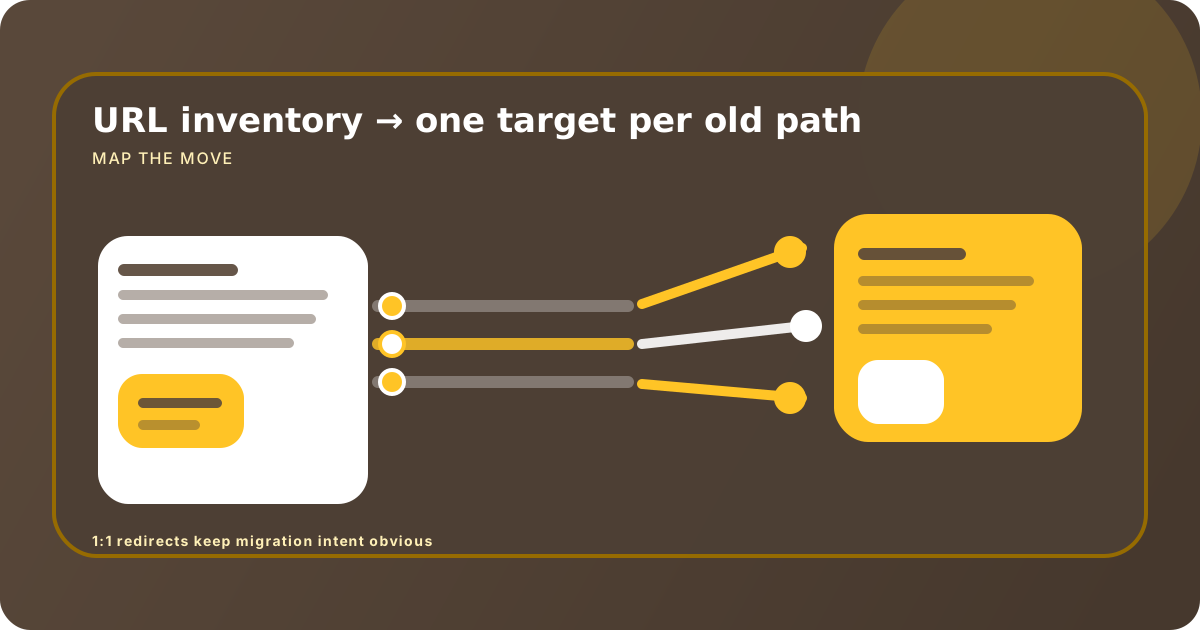
Eine 1:1-Zuordnung hält Migrationen lesbar und reduziert spätere Korrekturen.
Plan the change without SEO loss
The implementation should be server-side and direct. Avoid redirect chains where an old URL hits a middle stop before it finally reaches the target. Avoid broad rules that catch more URLs than they should. A good redirect table is clear, readable, and maintainable, even for someone who inherits the project six months later.
At the same time, update the rest of the site hygiene: internal links, navigation, canonicals, and the XML sitemap. If the site is multilingual, hreflang references belong in the same migration plan. The redirect is the last step of the move, not a replacement for good information architecture. If those layers get mixed together, you end up with a functioning detour, not a resilient system.
Test the new structure on staging first, then in production. Check whether old campaign URLs, sort parameters, and deeply linked pages resolve cleanly. The earlier these tests happen, the smaller the chance that the migration quietly creates bad signals once real traffic starts hitting it.
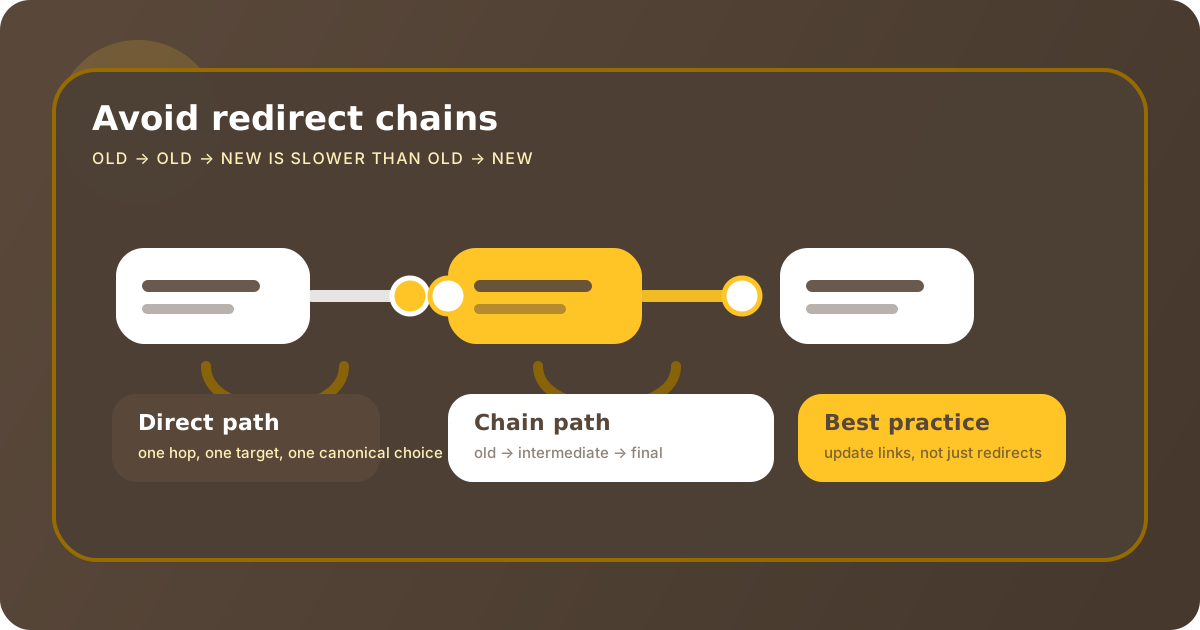
Direkte Weiterleitungen sind einfacher zu warten als Ketten mit Zwischenstationen.
The most common mistakes
The biggest mistakes are surprisingly ordinary. A 302 for a permanent move looks similar on paper but sends a different signal. A meta refresh is rarely the best choice for a real migration. And sending every old page to the homepage hurts the user experience and makes it harder for search engines to understand what moved where.
Another classic problem is leaving old internal links untouched after the relaunch. Then the past keeps living inside your own system and creates unnecessary detours. After go-live, do not just check the redirects themselves. Check 404s, redirect loops, important landing pages, and what Search Console is reporting in the days after launch.
If an old URL truly has no good successor, make the decision intentionally and document the reason. That clarity is more valuable than a fast catch-all rule that technically works but explains nothing to users or the team.
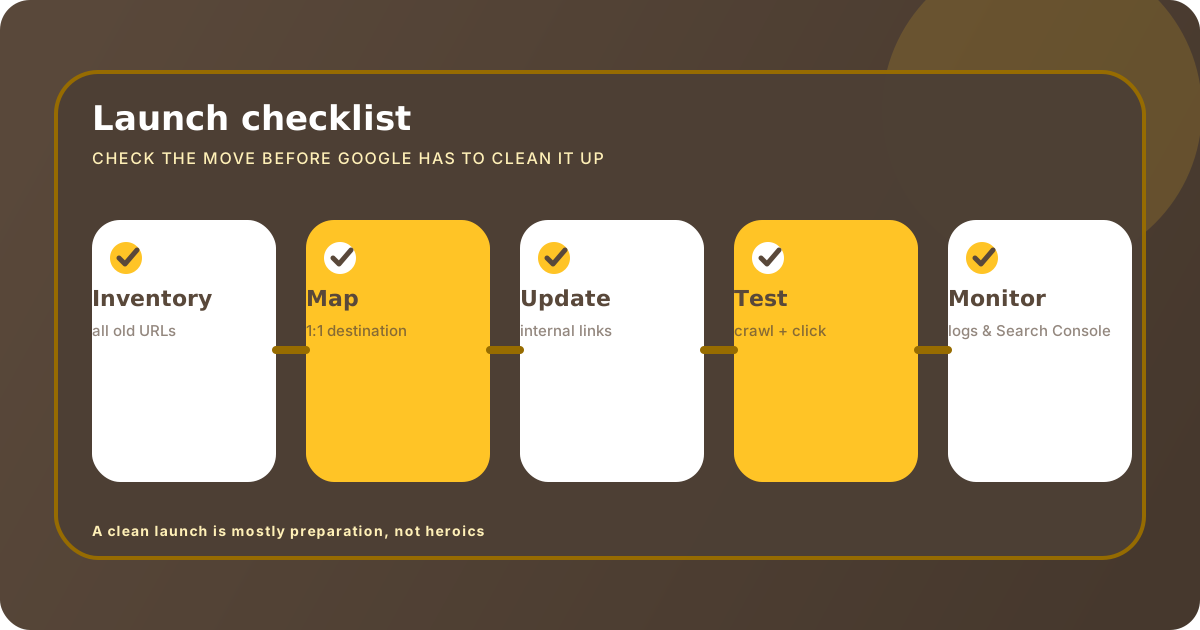
Ein sauberer Relaunch braucht Inventur, Zuordnung, Linkpflege, Tests und Monitoring.
Quick pre-launch check
• Have all old URLs been inventoried?
• Does every old URL have exactly one clear destination?
• Are redirect chains switched off?
• Do internal links and the sitemap already point to the new structure?
• Have the most important pages been checked on staging and live?
If those boxes are green, the relaunch becomes much less risky. The technical work does not disappear, but it becomes manageable. That is the real benefit of good redirects: less friction, fewer lost signals, and fewer surprises after launch. If you want a relaunch like that, sophne can bring architecture, content, and delivery into one plan.
FAQ